Ballet is dead, or so we are told by petulant actors. In fact, it may be a miracle that it was ever alive in the first place. Could there be anything more hopelessly anachronistic? It’s elitist and old, created centuries ago for monarchs, aristocrats and ideals of middle-class refinement almost abandoned. Its forms are subtle and stylized, requiring a knowing eye to fully appreciate. It’s slow; a performance takes hours, which might as well be an eternity in the TikTok age. It is vastly expensive to stage, requiring large numbers of people on the stage itself and behind the scenes. It’s been losing money since its inception.
For the individual performers themselves, what is there to be gained by applying themselves to achieve mastery? It will never make them rich. It is not particularly cool, having an image problem, it’s associated with tutus, the color pink and girlishness. It is fiendishly hard and unforgiving.
The prospects of becoming a professional ballet dancer are slim. While many undertakings in life tend to fail without dedication, ballet imposes requisites that can short-circuit a career before hard work even gets a chance to come into play. A dancer needs to have perfectly shaped feet that can handle pointe shoes. They must possess innate musicality and quickness of memory, to absorb choreography in the limited time available to rehearse it. They must be willing to be educated at a special academy from the age of 10, putting aside existing friendships. They need to have a body that displays the correct “lines.” And they must be miraculously resistant to career-ending injuries.
There are no junior leagues. In football, one can become a pro at a second or even third-tier club and make a living for a decade, maybe two. If the chance to enter the academy comes and goes for a young child, there’s no fallback option. To be sure, becoming a successful dancer in some other discipline is absolutely possible at this point. But to continue to practice ballet is something that offers little tangible benefit beyond graceful movement and good posture; it will not improve career prospects in other fields. It would seem that all of this is the very antithesis of what we generally assume interests young people in 2026.
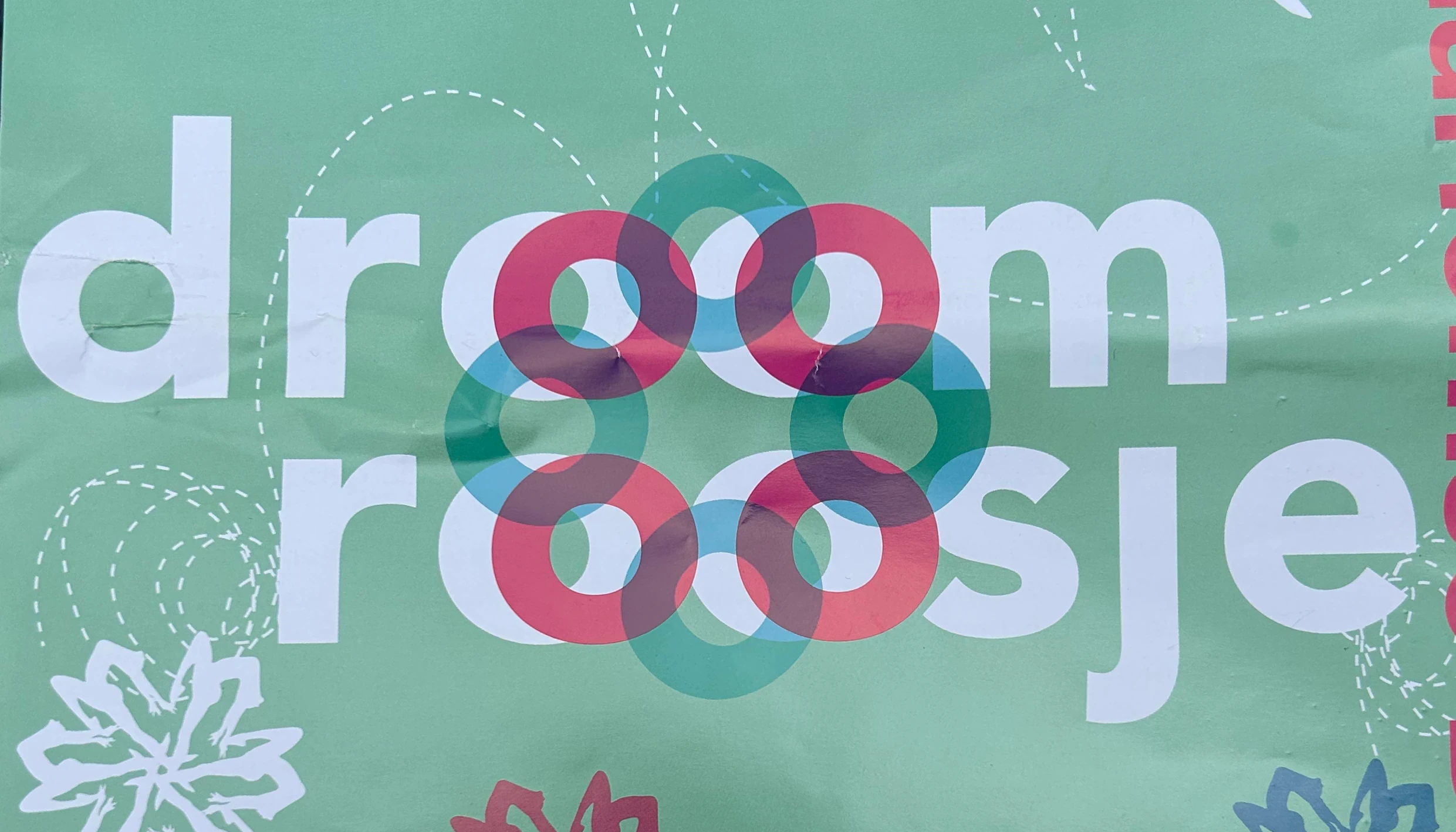
And that is what makes the biennial ballet performances of the Haarlemse Balletschool such an unexpected treat. The 2026 performance was called “Droomroosje”, which loosely translates to “Dreaming Beauty”, and is a play on “Doornroosje” (Sleeping Beauty). It involved a hypochondriac public servant narrator / antihero, manhandled by indomitable fairies into a jungle tour to find a flower able to wake heroine Rose. Following grand ballet & opera tradition, the literary credentials of the background story would not stand up to critical scrutiny. True to that same tradition, that does not really matter; like a Marvel movie, the story takes a back seat to the stunts anyway.
The very youngest performers, 3 years old, were little bees whose ballet consisted of little more than stretching arms and legs vaguely in sync with the music in an irresistible performance carried by cuteness alone. The older children of greater ability were flowers, fairies and street sweepers. Had it ended there, this may have been an experience analogous to visiting an end-of-term musical without having a child enrolled at the actual school. But it was the adolescents that lifted the whole thing to another level.
These 16-17 year olds are at the height of their powers. There is a cherry blossom-like appeal to this amateur mastery of ballet: it will bloom once, brilliantly, before wilting. The academy, for whatever reason, was not for them. When they come of age, it is likely that they will scatter all over the country in pursuit of other interests, bringing their training to an end. And yet they have persisted in practicing ballet, usually in the same group from early childhood, for multiple hours every week. And it really shows, for while they may not be professionals, nor will they ever be, and while their technique and control are incomparable to those of pros, there could be no doubt that here was a ballet performance worthy of the name.
Feet stretched, arms lifted, hands drawing lines, core muscles tense, standing on pointe shoes, moving in unison, hitting the musical marks, in patterns ingrained by lifelong practice, they performed their pliés, relevés and arabesques, belying their age and its associated cliches. Here was none of the TikTok generation’s supposed lack of perseverance, direction or ability to focus. They took it seriously, game-face on, all concentration and honed skill.
And then there were the soloists, who I won’t name because some are minors and this is the internet age, but actually deserve to be. Here, maybe for the only time in their lives, were ballerinas in the true sense of the word, practicing their craft convincingly, executing gracefully, commanding the stage. The jealous friend / evil fairy in particular, even accounting for the fact that the antagonist tends to be the most interesting to watch, literally and figuratively swept all before her. Here they realised their childhood dreams that they stuck with for their entire lives, and they looked and acted the part.
Amateur ballet; the whole concept seems to be a contradiction in terms. It took a community effort to stage it, with a large number of volunteers devoting their time to stage props, decorations, costumes, make-up and simply shepherding loads of children to and from a stage, waiting patiently until it was their time to shine. Of course most have skin in the game - a child that performs in the production. Some were former students, drawn back to relive their own turn as a ballet dancer as part of this local family institution, albeit from some distance now. Some were former teachers. But none were there for fame or money.
It is quite the outstanding achievement then, that has been accomplished here. Community-driven amateur ballet, high art if there is such a thing, simply for the joy of performing it, and maybe even - whisper it - for its own sake. On this evidence, ballet is far from dead. It seems to be in rude health, in fact, with such amateur efforts as its joyful, irrepressible, beating heart. I have watched ballet my entire life, and to witness this performance was an unexpectedly moving privilege, and for a bargain-basement price of admission. If you find yourself near Haarlem around late June 2028, it is unmissable.